“Securing the continuation of life”: A conversation with Brazil-based Valentina Figuera Martínez, the Gender Justice and Forests Campaign Coordinator for Global Forest Coalition

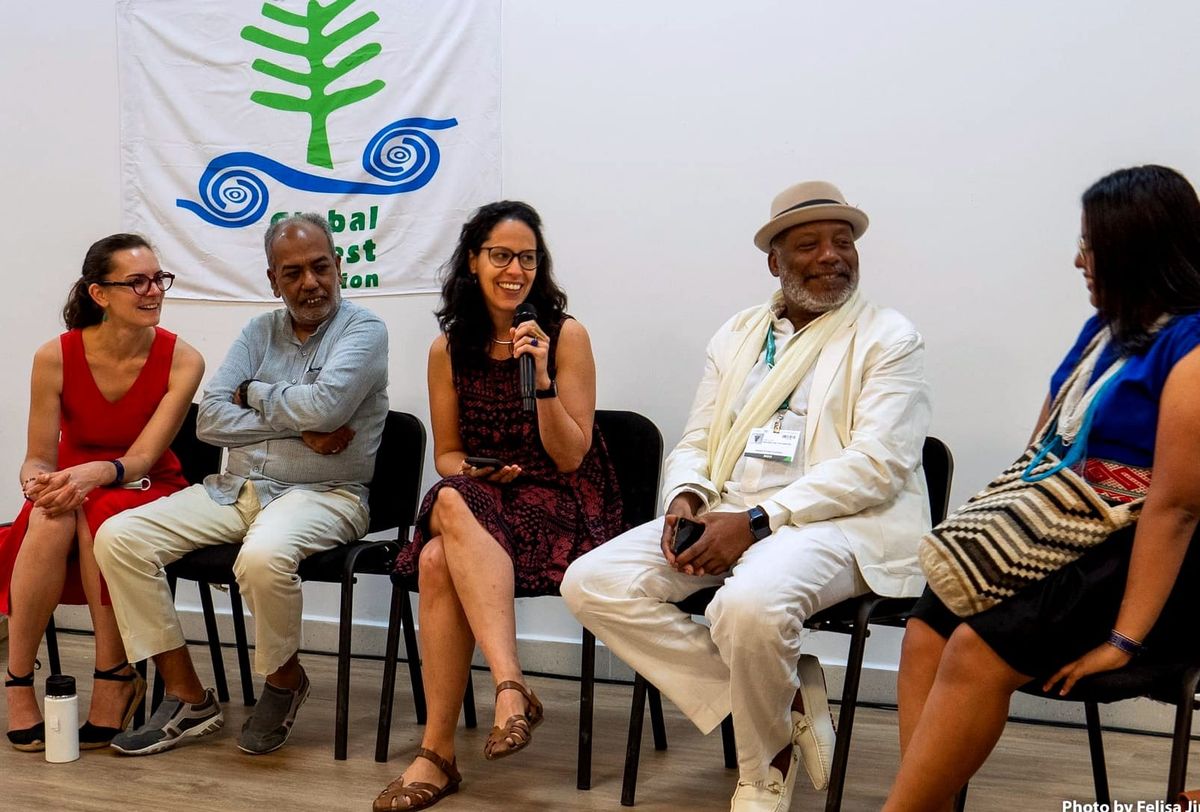
At the intersection of gender justice and nature is where Valentina Figuera Martínez’s work exists. It is what consumes her in serving as the Brazil-based Gender Justice and Forests Campaign Coordinator for the Global Forest Coalition (GFC). But it is also what makes up her inherited legacy.
Martínez, born in Venezuela’s Amazonian state of Bolívar, grew up watching her mother, a journalist, reporting on and fighting for environmental issues in the region. There were the gold mine projects, there was the radical American religious group the New Tribes (now known as Ethnos360) who invaded the Venezuelan Amazon and tried to co-opt the indigenous communities, there were the actions to defend the Orinoco River.
“I grew up with that spirit, you know, a real commitment to fight for nature and for Mother Earth. My mother was raised in a rural community, on a farm. There was a strong connection to the land and to nature, in terms of understanding and listening to nature and what it has to tell you so that we can coexist together,” says Martínez.
Working with climate and gender justice movements and civil society organizations, Martínez’s role at GFC involves advocating for gender-responsive policies in international policy processes, defending forest ecosystems, biodiversity, communities and the rights of women in all their diversity, gender diverse people and youth, particularly Indigenous peoples, local communities, people of African descent and peasants.
Climate Inclusive: Why is gender justice inseparable from climate justice?
Valentina Figuera Martínez: When it comes to the issue of gender, sometimes we have to be really careful about how we use language. When we talk about climate and forests, we need to consider that we are talking about complex ecosystems; there is an ecological complexity about forests. You have different types of forests: ancient forests, primary and secondary forests, and you also have the communities who protect those forests.
So when you want to address the root causes of climate change and biodiversity loss, you need to include intersectional and multi-disciplinary approaches based on rights, equity, and justice, otherwise actions will only address partial problems, not structural causes, which is usually the case when countries adopt decisions at a technical level.
For example, the responses are very restricted to technical dimensions, the number of planted trees, or the number of carbon mitigation projects approved, or the need to reduce a certain amount of carbon dioxide from the atmosphere.
Of course, technical work is relevant, but it’s not the only discussion that we need to have. We are talking about people, forest-dependent communities, who have been living in those ecosystems for millennia basically, and they need to have culturally appropriate policies in order to keep defending and protecting those ecosystems. If you don’t adopt a gender-responsive approach, you would only be considering a fragment of the problem.
Climate change is not neutral. When all those climate events come, they often come with disproportionate burdens for women, youth, people with disabilities and Afro-descendant communities. It is a differentiated impact that we need to address, and it is important to collect gender desegregated data in order to design better policies.
And can you explain more about gender desegregated data, why it’s so important?
Valentina Figuera Martínez: We have been defending the need to collect gender desegregated data....so that women are accounted for as not only contributors to those targets, but also as beneficiaries of financial support, and that the policies designed by the different countries really have gender-just actions, that they really consider women and girls and gender diverse people with disabilities, Indigenous Peoples, into the policies that they are going to develop.
In many countries, land tenure, access to resources and legal frameworks continue to favor men. Collecting gender-disaggregated data helps expose these structural power imbalances. Otherwise, you’re not going to be able to really measure efficiently. You collect data on the ground, you design policies based on that data. So how many hectares do I have to protect? Who is living in those forest ecosystems? What are they doing? What kind of non-timber forest products are they producing? How are they benefiting from the forest? Who is controlling the genetic sources? Because we’re talking also about traditional knowledge that is there to secure the continuation of life on Earth.
What does it look like to view climate change through a decolonial lens?
Valentina Figuera Martínez: Viewing climate change through a decolonial lens means to recognize the legacies of colonialism in the Global South, to recognize the inequalities that are there, to recognize the so-called common but differentiated responsibilities. We cannot fight climate change or biodiversity loss without confronting those patriarchal, capitalist and colonial models that have shaped our civilization.
In Latin America and the Caribbean, we have built a strong political culture. But I say it as a Latin American – after centuries of colonial genocide and dispossession, we have built this understanding that addressing climate change through a decolonial approach means not only building more efficient policies but also contributing to reparations and remembrance to avoid a repetition of the past.
The language is very important, because there is a tendency to promote mitigation-centric approaches, which always come with false climate solutions. Because climate mitigation means that you need to implement something now, quickly, and corporations and governments take advantage of this language to promote flaw schemes like be nature-based solutions, it could be REDD+ projects, carbon markets, biodiversity offsets and other greenwashing solutions. And yes, I mean, it is important, but what kind of mitigation are we talking about? It’s similar to the energy transition discussion – basically that is the new wave of green colonialism.
So what kind of transitions are we talking about? The so-called “critical minerals” race is destroying communities and ecosystems in the DRC, Zambia and other Global South countries. So you are not addressing the root cause.
What’s an example of a decolonial approach to climate change?
Valentina Figuera Martínez: We have many communities working with participatory capacity building approaches in agroecology practices. Agroecology is not only improving soil conditions and ecosystem health following ecological principles. It is about popular education. It is about mobilizing people. It is about supporting and valuing respect for nature and inter-relations.
It’s also about building and mobilizing women to really recognize their needs, to give them access to decision-making within the community’s decisions. It’s about prioritizing what the community values, preserving traditional knowledge; seed preservation is really, really important because all the knowledge of how to preserve native seeds – it’s absolutely important for an ecosystem , and how that knowledge is transmitted is also fundamental so that the continuation of life in the ecosystem, together with the community, can continue.
What’s a recent successful campaign you have worked on?
Valentina Figuera Martínez: Last year, we celebrated our 25th anniversary during COP30 in Brazil. One of GFC’s most successful initiatives has been its campaign against false solutions to climate change and biodiversity loss. We recently published the first critical analysis of the Tropical Forests Forever Facility (TFFF), a financial mechanism launched by the government of Brazil during COP30. At its core, the TFFF is a scheme to financialize nature…It’s a capitalist fund informed by the logic of green capitalism, which assigns a monetary value to forests, supposedly to conserve them and prevent their deterioration and loss. Their proposal is to reward the protection of standing forests with USD 4.00 per hectare. According to this view, tropical forests become a market value that can generate returns, prioritizing capital accumulation above human rights and ecosystem integrity.
In essence, the TFFF was designed to convert money borrowed from wealthy investor countries and companies into profit that can be used to “drive change in developing countries,” and distribute these funds among tropical forest countries according to pre-agreed “measurable outcomes.” It’s another neo-colonial scheme in which Global North actors see forests and communities as “recipients of aid,” while they generate profits. It’s perverse and it must be dismantled.
The main argument of the fund is that it will allocate 20 percent directly to indigenous peoples and local communities who live in those areas, which has been a long demand by right holders. That means preserving the forest – the community’s job is not touch the forest anymore. In principle, this would be in the tropical forest countries: Democratic Republic of Congo, Brazil and Indonesia.
Basically, the job of this fund is to make wealthy investors make money out of forests. It is based on the premise that forest degradation and deforestation has not been able to be halted because of a market failure. So forests are treated as a market failure, as part of a market failure, since we are not able to really reward wealthy investors and Global North countries, we need to get a new proposal to continue capital accumulation.
And in fact…the TFFF would be actually the main decision-maker…Then, there’s the Indigenous Peoples and local communities Advisory Council, which will function under the supervision of the facility board. So as you see, this Advisory Council would not really have access to decision-making in the entire fund architecture. They have an advisory role. They don’t really have decision-making power in key areas, such as conflict resolution, enforcement action, defining indicators.
Because it’s about decision-making – it’s not about the amount of money that you give to Indigenous Peoples and local communities. It’s also about the quality of decision-making access that you have, right? So really, this is about contradicting key principles of free prior and informed consent, and it’s also a neo-colonial approach, because you treat them as if they were partners in conservation, and you take advantage of their expertise and their advisory role. But no – we don’t want them to have an expert or advisory role. We want them to have the power to decide.
The other problematic issue is the role of the World Bank. The World Bank would be the scheme’s trustee and also might provide certain treasury management services. You don’t have to be an expert on financial issues – the World Bank’s reputation has been discredited in the Global South, because it has been widely recognized for sinking countries into debt, imposing unjust conditions.
What’s one of the biggest challenges you face in your work?
Valentina Figuera Martínez: I would say that one of the biggest challenges is to develop narratives and campaigns against the expansion of corporations and extractive industries, and witness the level of ecological destruction. It’s a reality in the Global South. They are really active, and of course, it leads to massive rights violations, gender violence, deforestation and biodiversity loss.
For example, it’s outrageous to witness, together with our members, the environmental and socioeconomic harm caused by decades of unregulated manganese extraction in Chiatura, in central-west Georgia. In one of our publications, Forest Cover 69, we documented how Georgian Manganese, a subsidiary of British steel company Stemcor, became one of the main responsible actors for the socio-ecological destruction and gender violences in that region.
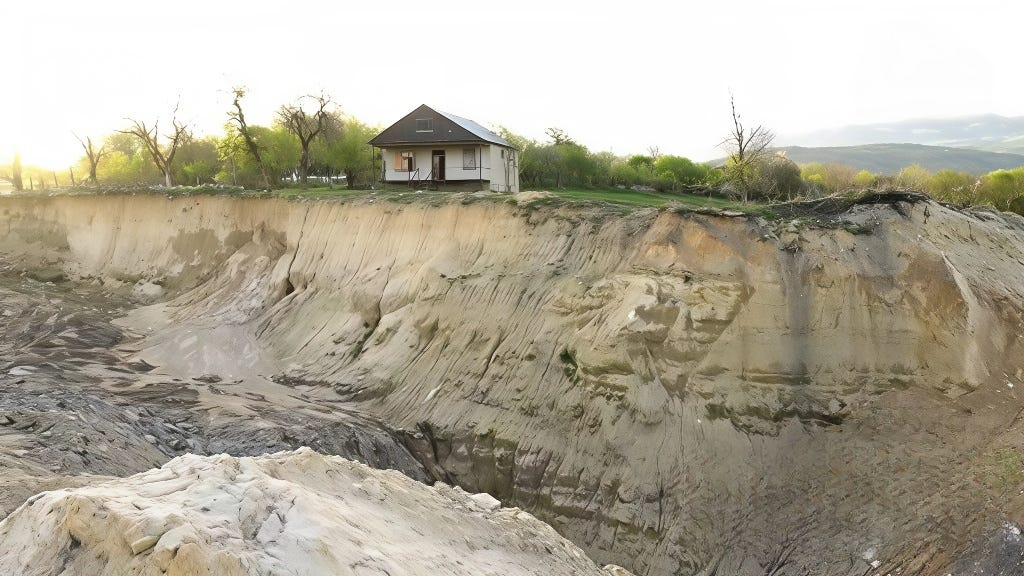
Villages like Darkveti, Mgvimevi, Khalifauri, Rgani and Tabagrebi have lost hundreds of hectares of forest and dozens of hectares of soil to open-pit mining. In the village of Ithvi, the concentration of manganese in the soil is 93 times higher than the maximum allowable concentration. Women are particularly at risk. Elevated manganese in blood is linked to increased infertility, complications during pregnancy and childbirth and chronic fetal hypoxia. These gendered health impacts often go unrecognized and untreated.
If you see the photos, you want to cry, because open-pit mining is permanent, it’s very destructive. No life can thrive after that level of environmental destruction.
Another challenge is the perverse subsidies and state policies to benefit extractive industries. Soy is like a plague in South America, but in Bolivia, for example, soybeans have become the main agricultural export product, and the government has been promoting for decades mass-scale policies to support the expansion of soy cultivation through specialized credit systems, subsidies and tax exemption for soybean production and export abroad.
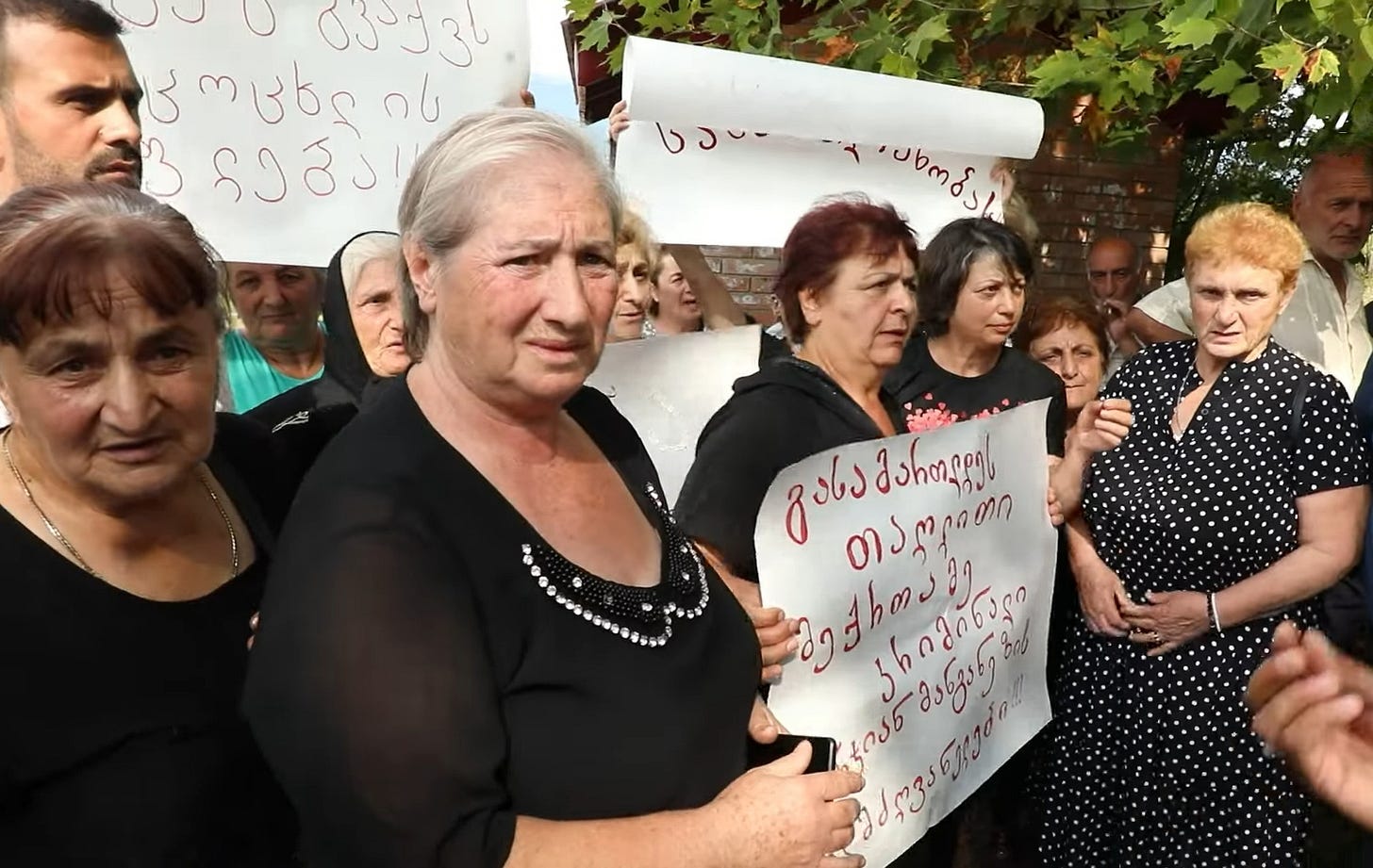
We published a case study, which was developed by CIPCA, our member group in Bolivia, to show how policy has promoted an extractivist model of production. The state provides a series of benefits and state support to agribusinesses, like if you would be paying – with public funds – big polluters to destroy. It’s horrible! At the same time, Indigenous Peoples and peasant communities bear the burden of losing their livelihoods. And of course, this is concerning in terms of gender justice and women’s rights, particularly for Indigenous and peasant women.
Multilateralism efforts have failed us, clearly shown by the fact that after 30 rounds of climate negotiations, there still wasn’t even enough consensus at COP30 to directly mention a fossil fuel phaseout or implement a realistic plan or strategy to protect remaining forests.
What is something that has surprised you recently?
Valentina Figuera Martínez: It’s surprising and magical to see how women, girls and trans women resist the impacts of climate change in the Brazilian Amazon. One of our member groups in Brazil, FASE, recently organized a workshop on agroecology and feminism in a community educational center in the municipality of Abaiteituba, in the state of Pará, in Brazil.
In one of the workshops, a Quilombola woman, Maria José Brito de Souza, told us that families in her community uphold a tradition: when a woman becomes pregnant, a tree is planted for that child. Two lives grow together – one human and the other more-than-human. Each person grows connected to a root, and around this bond, a collective network of care forms, recognizing trees and children as part of the same interconnected nature, protecting them so that both can flourish.
It’s so incredible to see the level of knowledge and expertise these women have, how they see climate impacts, how they fight climate change on the ground. They’ve been implementing those real solutions for years. They build resistance, learn from each other, support each other, and it’s very powerful to see that strong sense of community. They are the real forest defenders and custodians of life.
What’s your assessment going forward? Has there been positive progress, or do you feel that the challenges are greater than before?
Valentina Figuera Martínez: I think that for me, I don’t trust organizations anymore, like international policy processes. Of course, GFC still participates, because they are important spaces for it, because they are often cited as the main actors, the key players, because they assign and adopt policy decisions that will impact our lives.
But something that is really clear to me at this point is that the nation-state structure is no longer functional for humanity nor for all natural species, because it’s based on colonial principles.
It means that nature needs to be destroyed and commodified so that states can make money and maintain the financial system. And it means that someone needs to die, not only someone, but that life needs to die in some territory, similar to women’s bodies. So that connection of body-territory/body-nature, it’s really there so that you can get money to exist as a nation-state.
To me, it’s really, really evident that systemic transformations need to be implemented now. Systemic transformations are urgently needed to change the unequal economic, financial and political system that sustains the current model of societies.
And the guide is already there. The examples of real solutions are all over. We need to learn from our Indigenous peoples, our local communities, to adapt and transform societies. Of course, it’s a difficult task. Dismantling power concentration and the notion of the capitalist and patriarchal system is not an easy task. And it’s not for sure if we’re going to get there, but there are people fighting every day to defend what belongs to all of us.
(This conversation has been lightly edited and condensed for clarity.)