Jemimah Babirye of Green Africa Youth Organization is helping to secure a sustainable future for the youth of Uganda and beyond

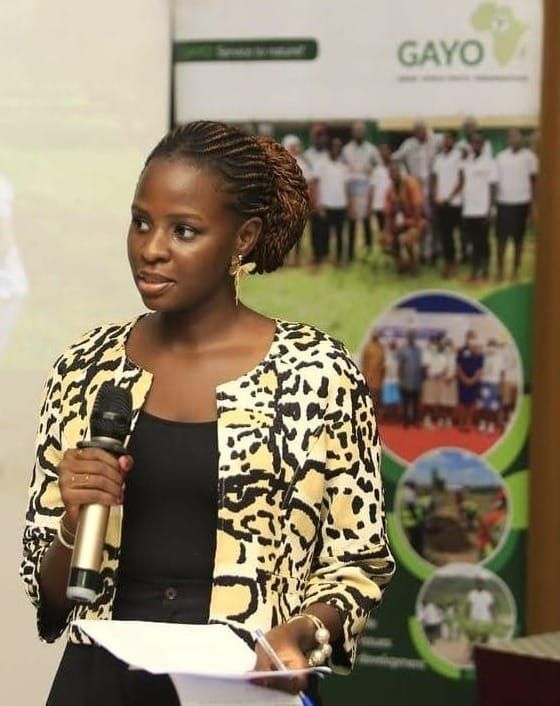
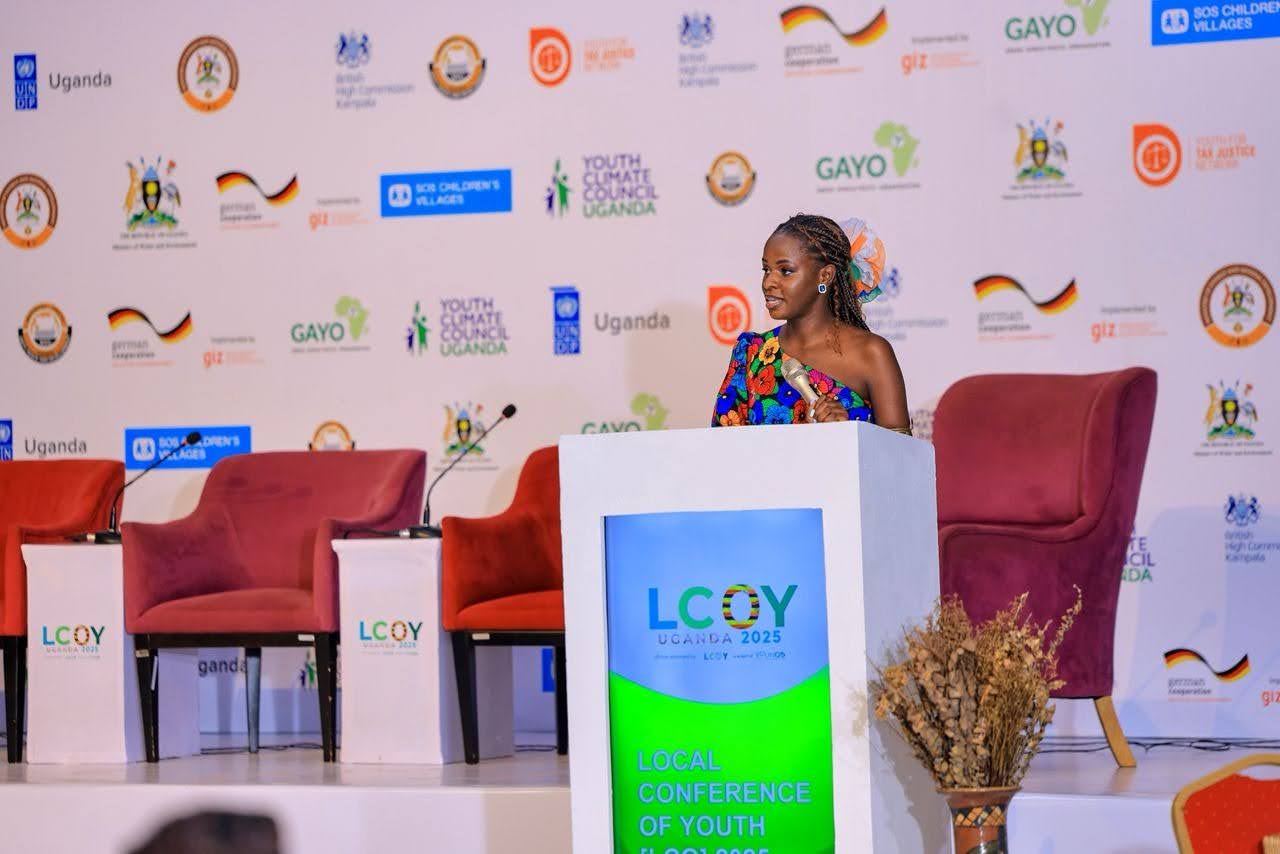
The Kampala-based Programs Manager of GAYO Uganda discusses what it takes to empower young women, support green jobs & create zero-waste cities
Like many parts of the world, Uganda is experiencing extreme weather contrasts due to climate change. When heavy rains cause major floods in the capital city of Kampala and in central Uganda, eastern Uganda suffers from prolonged drought. In 2022, the country suffered a disastrous loss in crops from a combination of a major drought (the worst in over 40 years) and extreme temperatures, leading to mass famine and the deaths of over 2,200 people. This year, already 16 people have died from starvation as farmers have seen no rain since April and crops are failing.
Building climate resilience has become essential to tackling food insecurity and restoring ecosystems in these communities. Sustainable, zero waste farming methods like circular regenerative agriculture (CRA) – which involves soil health restoration, composting to reduce synthetic fertilizer use, water efficiency and promoting biodiversity – offer a strong solution. That's why Uganda's chapter of Green Africa Youth Organization (GAYO) has been busy promoting these climate-smart practices among the nation's youth, which happens to be the largest demographic – Uganda has the second youngest population in the world, with about 78 percent of its citizens under the age of 35 and a median age of around 16. So engaging the youth in sustainable farming work also serves to provide green jobs, a core part of GAYO's mission.
A precarious gender balance
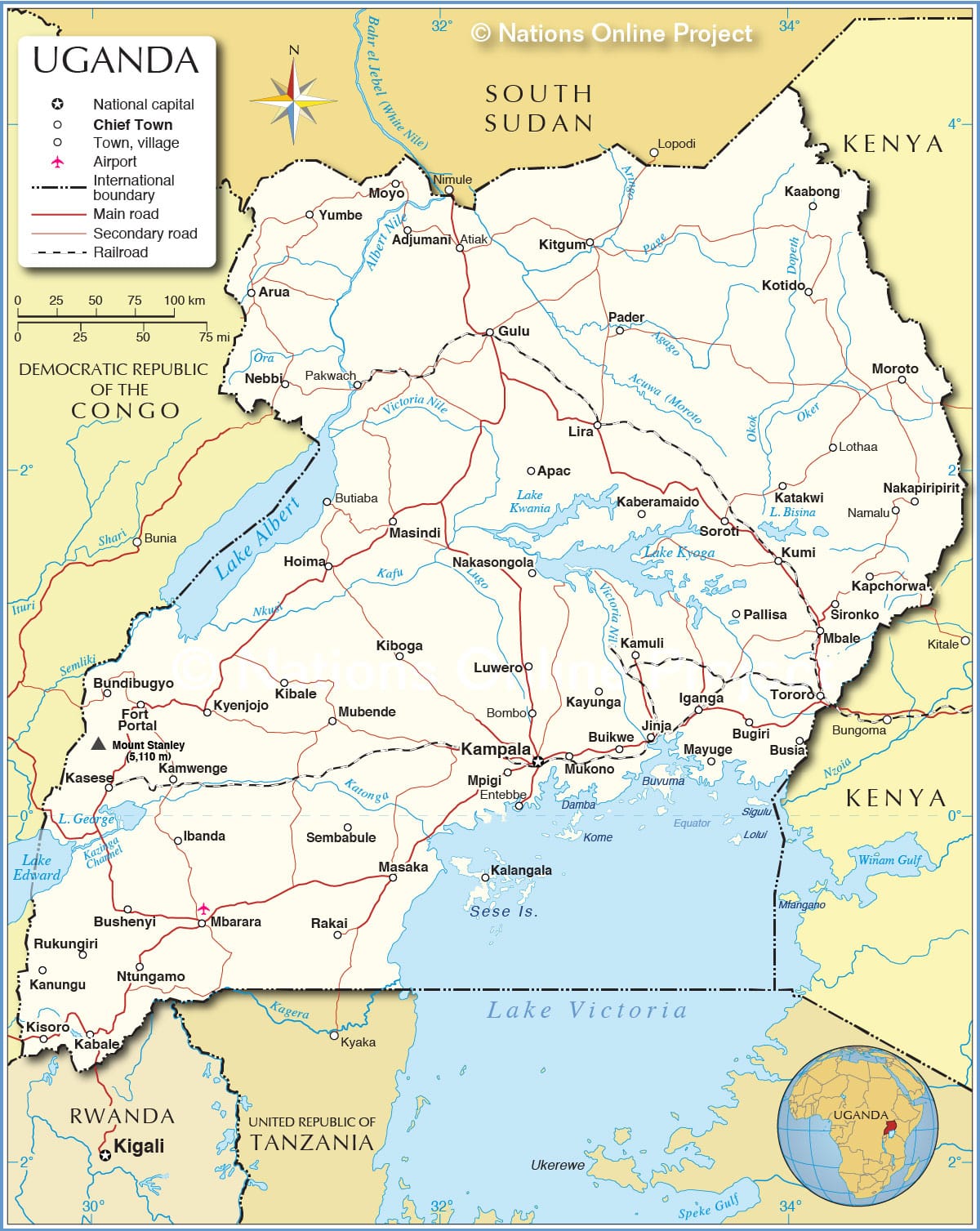
Currently, GAYO Uganda is conducting a nationwide radio campaign to spread knowledge from CRA experts to the youth in rural communities, where the power of radio is very much alive. At the same time, while GAYO is trying to encourage more young people to get involved in working the land in climate-smart ways, Jemimah Kasibbo Babirye, GAYO Uganda's Programs Manager (and previously Youth Climate Council Uganda Coordinator), says that women in eastern Uganda aren't usually able to own land. This inequality is one reason why Babirye feels pulled to frequently return to her home village in the Budaka district, about 5 hours east of Kampala, to mentor the young women who are growing up there.
“We have a lot of gender issues in the eastern part of Uganda, so I offer counseling and teach the young women how they can use the small lands that they have. Because where I come from, women are much less likely to own land under customary land tenure systems. Women work on their husband's land or their father's land for a long time but can't actually take any money from it. You can't build yourself up from it, because it is not your land, and everything you do has to go back to the family you're currently allocated to.”
To help the young women improve household nutrition and earn additional income, even on very small plots of land, Babirye has been teaching them how to establish kitchen gardens or sack and vertical gardens and grow vegetables and herbs, compost household organic waste, harvest rainwater and cultivate mushrooms.
Babirye says her village, like many others in eastern Uganda, is a predominantly male-centered community where polygamous marriages are still practiced in some families. A typical household may consist of one man with several wives who all become mothers, which in turn creates pressure on already limited household resources.
“Eastern Uganda continues to face high poverty levels, and the fact that many communities are poor has often been used to justify early marriages. So polygamy created a resource issue, and the resource issue created early marriages. We had young ladies that got married as early as around 16 years old. And that's not something I agree with. But when you go to the community and talk to the elderly gentlemen or even the women, they say, 'What's the use of having a young lady at home when she can get married, and then we can have more resources given to our homes as bride price?' These are some of the things that I am talking to the girls about,” explains Babirye.
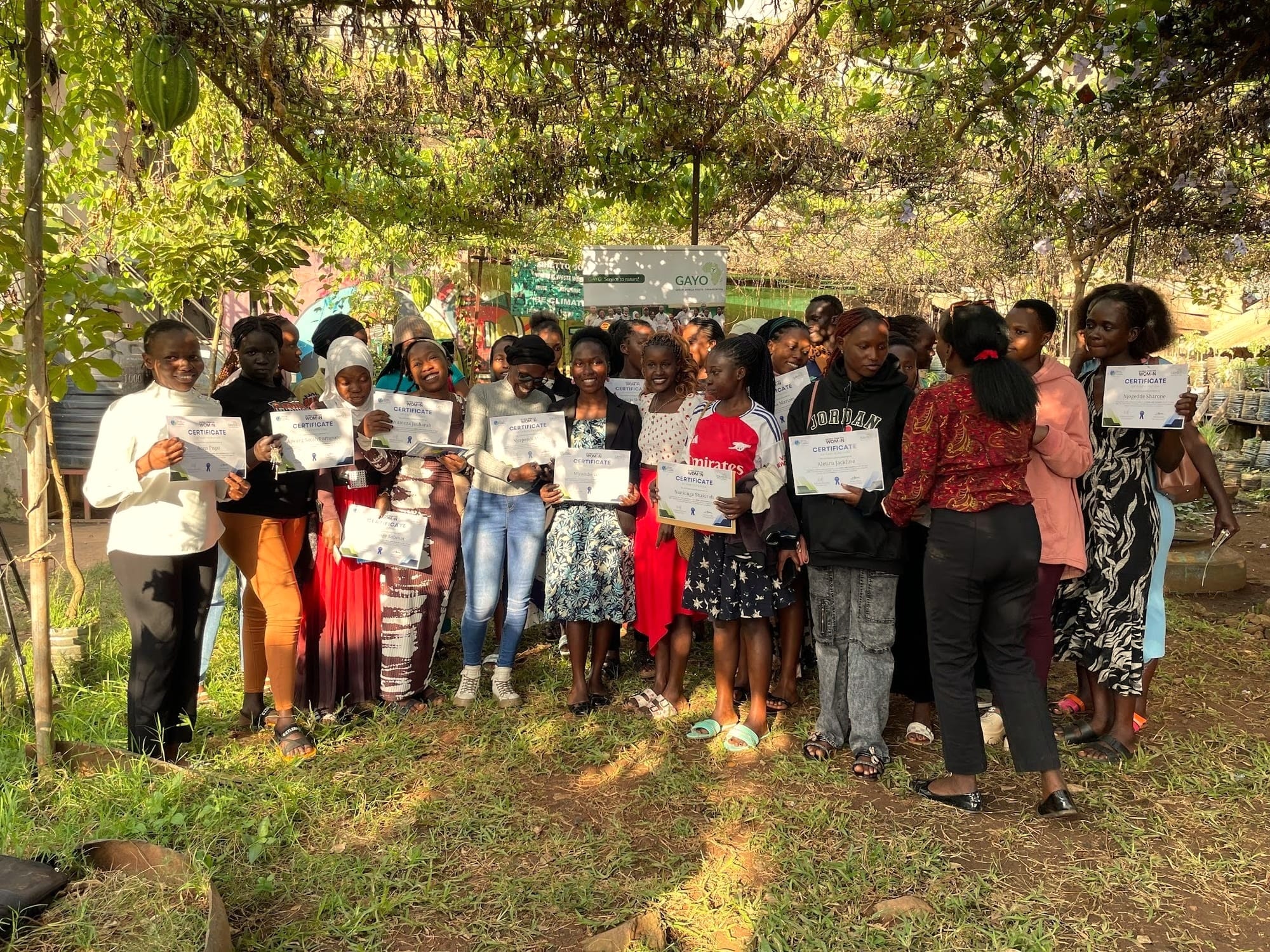
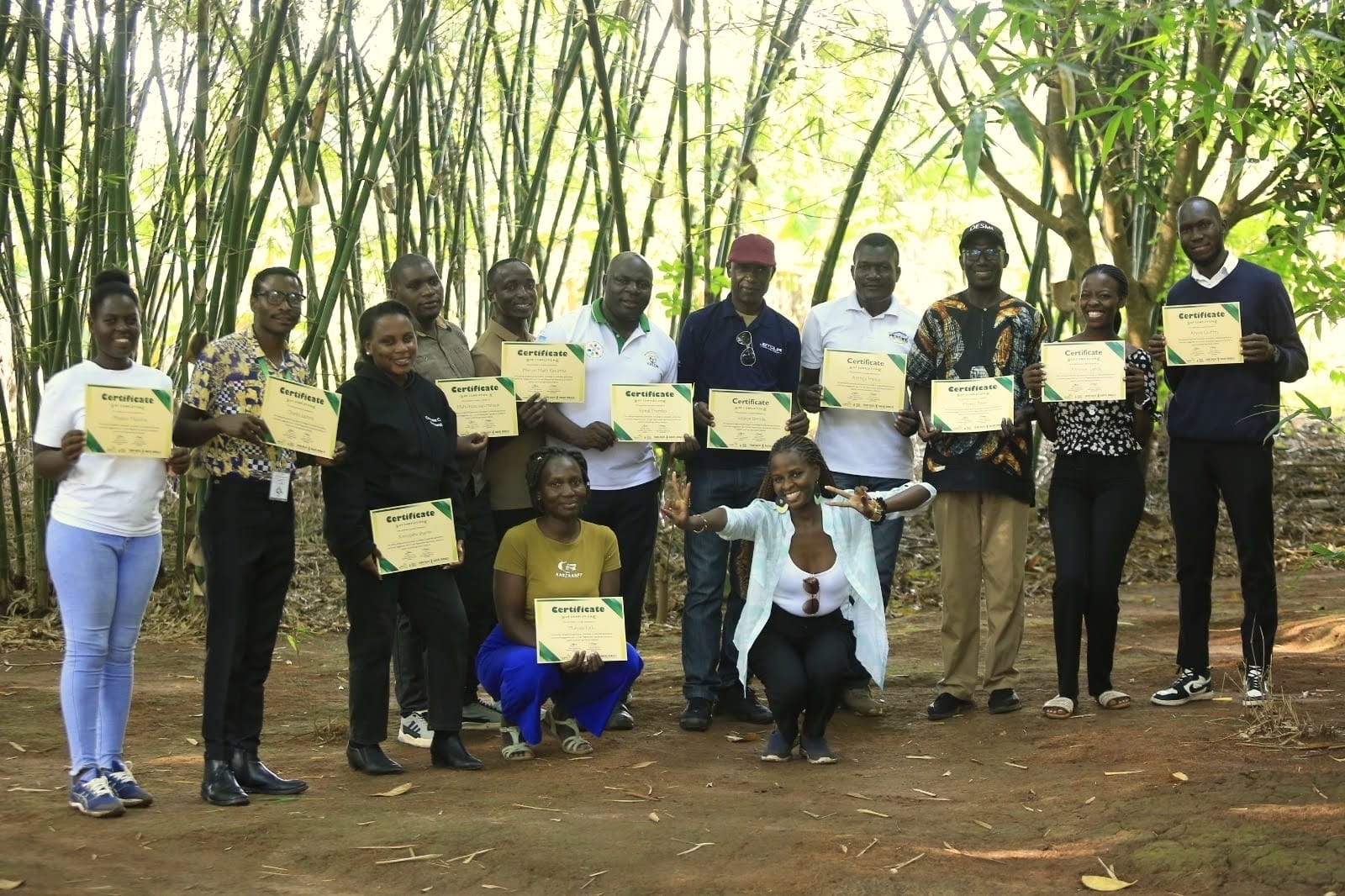
There is, however, much activism across the country surrounding early marriage and keeping girls in school. And last year, GAYO specifically dedicated resources to supporting women-led sustainable projects and businesses. Babirye and her team were well aware that many young women in Uganda had taken up green jobs or small enterprises but lacked the resources and capacity building needed to keep their businesses afloat. To that end, GAYO offered training to help guide these women to scale up their businesses and improve their budgeting skills.
"We wanted to make sure that when young ladies start these different initiatives in Uganda, we don't see them fail in just one year. And because GAYO is gender-balanced, we put a lot of effort into making sure that the entities we collaborate with support gender equality and respect for women,” says Babirye.
Supporting green initiatives
Though based in Kampala, GAYO's work extends across Uganda through partnerships with youth groups, communities, local governments and civil society organizations, and the nonprofit also has offices in Ghana and Botswana. Over the years, GAYO has worked with young men and women to support a wide array of green enterprises including briquette production, solar dryer construction, urban gardening using plastic and organic waste and textile production from banana fiber and other agricultural waste. Recently, GAYO launched the Green Jobs Market Hub in Kampala, a dedicated space where emerging green entrepreneurs can exhibit, market and sell their sustainable products, connect with customers and partners and receive business development support without the burden of paying commercial rental fees while their businesses are still in the early stages.
Raymond James Ntabazi, GAYO Uganda's Zero Waste Project Coordinator, has found that the young people they work with have been giving positive feedback about being involved in GAYO's sustainability trainings and programs. “They tell us it is good to bring them on board, to participate in the programs, because sometimes they are left behind for these kinds of discussions. They appreciate the trainings, so they can actively drive impact in their communities alongside GAYO's capacity.”
The path toward zero waste
Tackling the growing waste management crisis is also one of GAYO's priorities, and the nonprofit has been supporting many local organizations that participate in the circular economy. One entity supported by GAYO is Eco Brixs, which recycles and upcycles plastic waste into various eco-products, including bricks, lumber, face shields and fence posts. Another is Asili Kwanza, which produces biomass, smoke-free charcoal briquettes that lower cooking costs, and practices Black Solider Fly (BSF) farming, a process that recycles solid organic waste into natural fertilizer and affordable, nutrient rich feed for livestock. Both these organizations are not only creating green jobs for young people but are also working closely with the informal waste worker (or waste picker) community, a group of people that lives off the continuous accumulation of waste arriving daily at the landfills. However, this community is not specific to Uganda – an estimated 15 - 20 million informal waste workers exist around the world and are often unpaid or underpaid, while contributing greatly to a city's waste management system, or lack thereof.
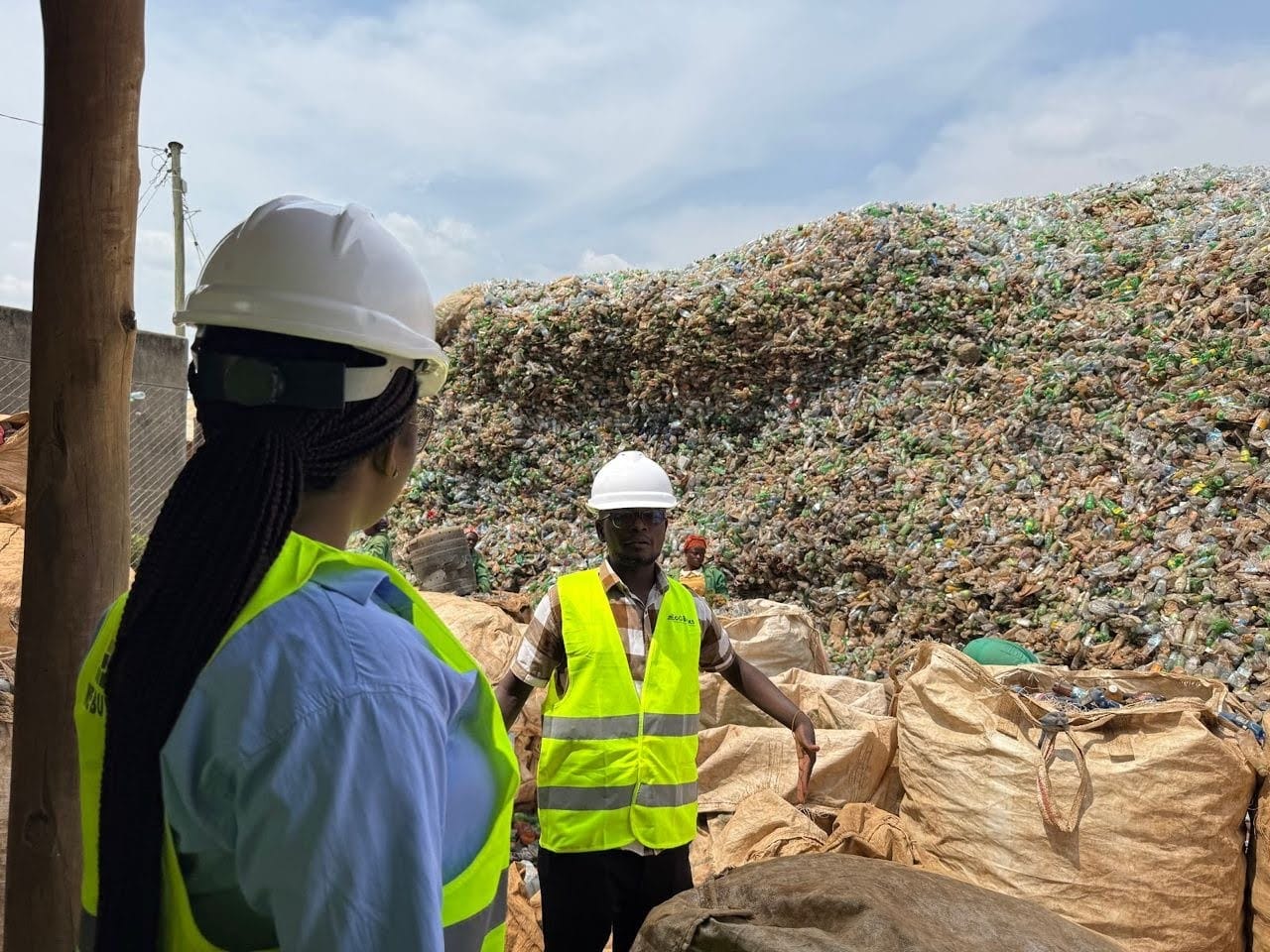
Last year, GAYO published a Needs Assessment for Informal Waste Pickers in Kampala after spending months talking with waste pickers in the city. But the study was completed just shortly before the city's Kiteezi landfill collapsed in August 2024. The collapse of the 36-acre landfill, which had long exceeded its capacity, killed 21 people living nearby and was reportedly triggered by weeks of heavy rainfall. The disaster only underscored the urgency for better waste management strategies, which was one of the aims of GAYO's report – to bring the topic of zero waste cities to Kampala policymakers.
“When we initiated the topic of zero waste cities, it was to target climate action, environmental sustainability and sustainable livelihood alternatives. We wanted to build knowledge around how circular regenerative agriculture can become a practical solution for waste management in Uganda. Our next question is: Can circular regenerative agriculture contribute to achieving zero waste cities?” says Babirye.
Giving help, giving hope
What Babirye really wants people to know is that a lot is already happening on the ground, and the youth of Uganda are making big strides toward a more sustainable future. But young people everywhere can always use extra help, inspiration and encouragement from those with more life experience.
“If you get an opportunity to elevate or share what a young person is doing, please do so. Because you're not only building them as a person, but you're also giving another young person hope that this can be done. That also calls for support in capacity building. If you see a young person doing something that you know very well how to do, please go ahead and help. Knowledge is still needed at so many levels. So if you can support, please do support. We always call for as much support as possible.”