As the sea rises, Dr. Sreeja K.G. is helping Kerala's coastal communities participate in securing their own survival

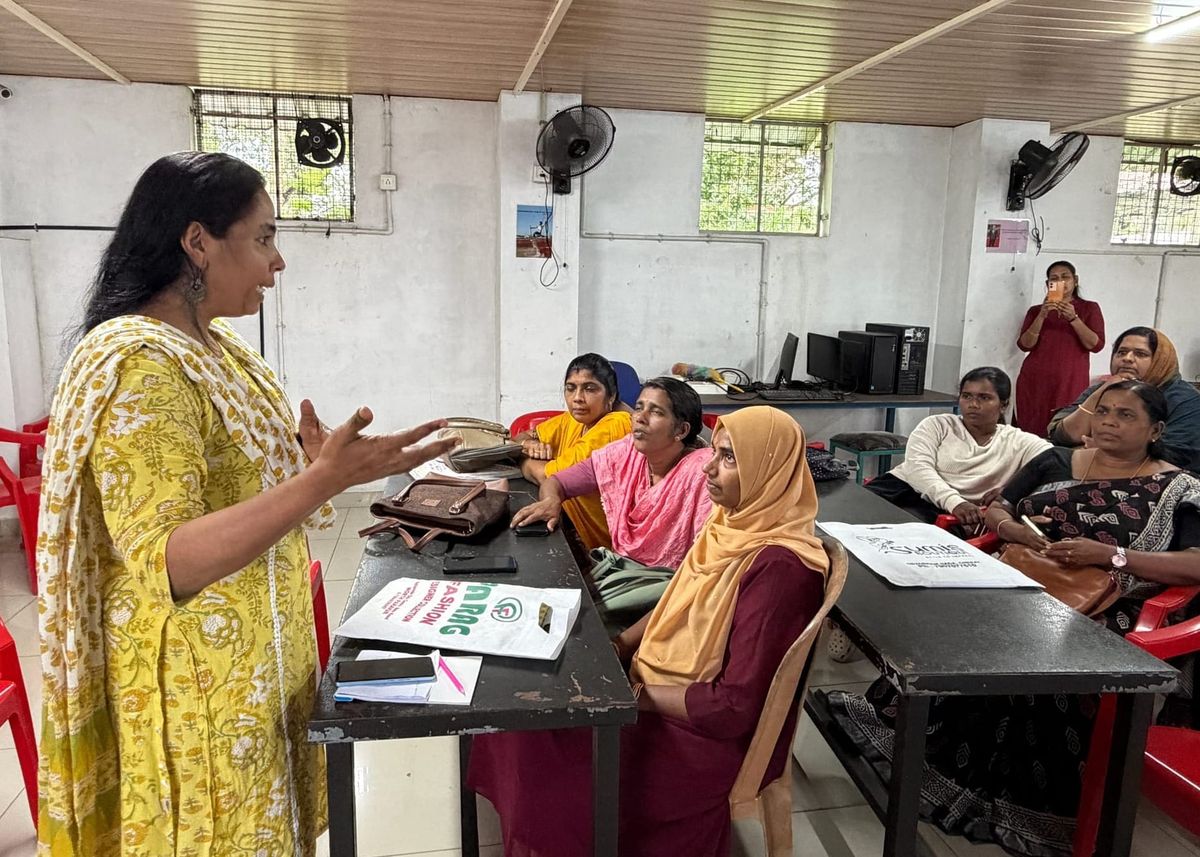
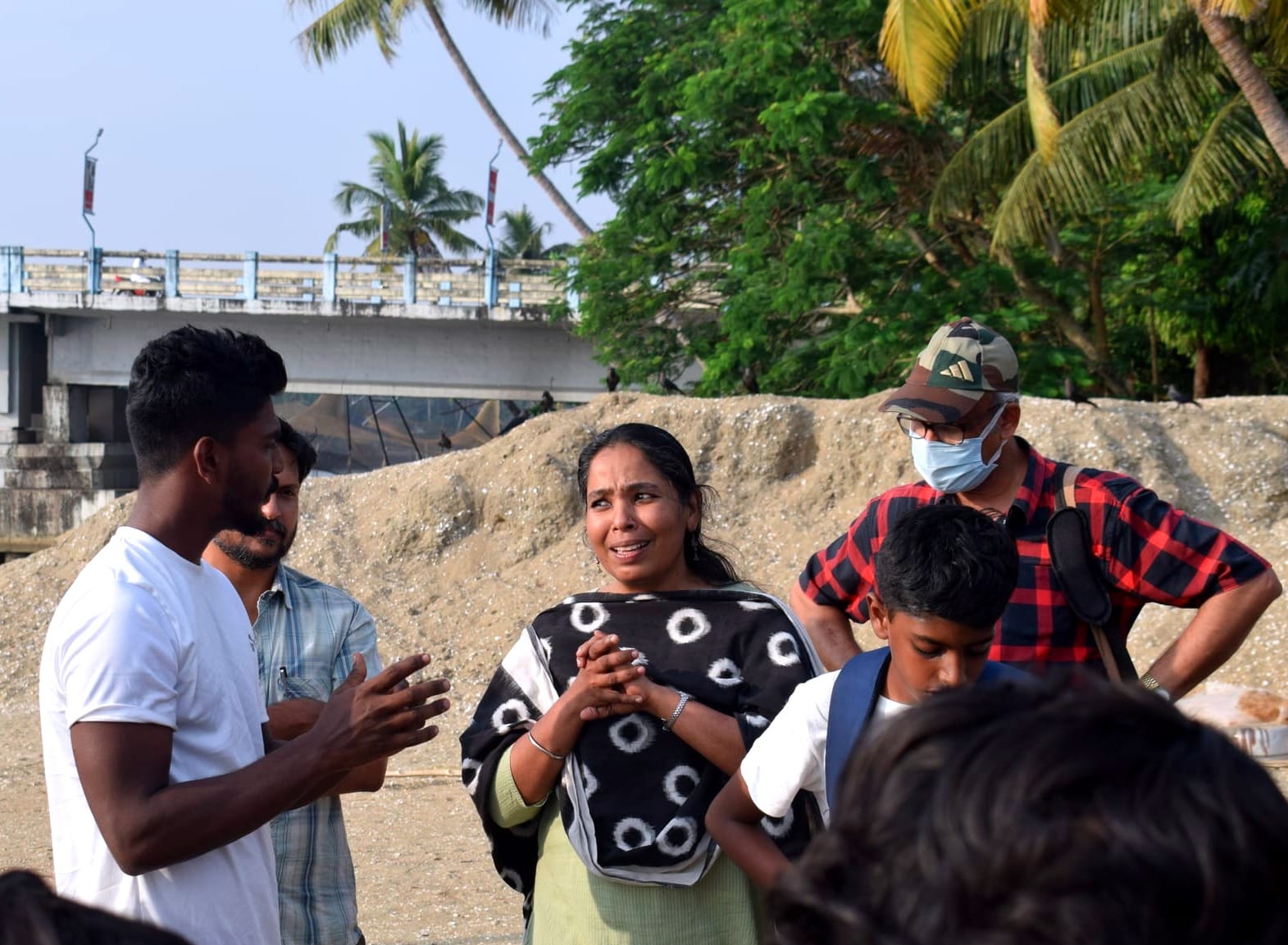
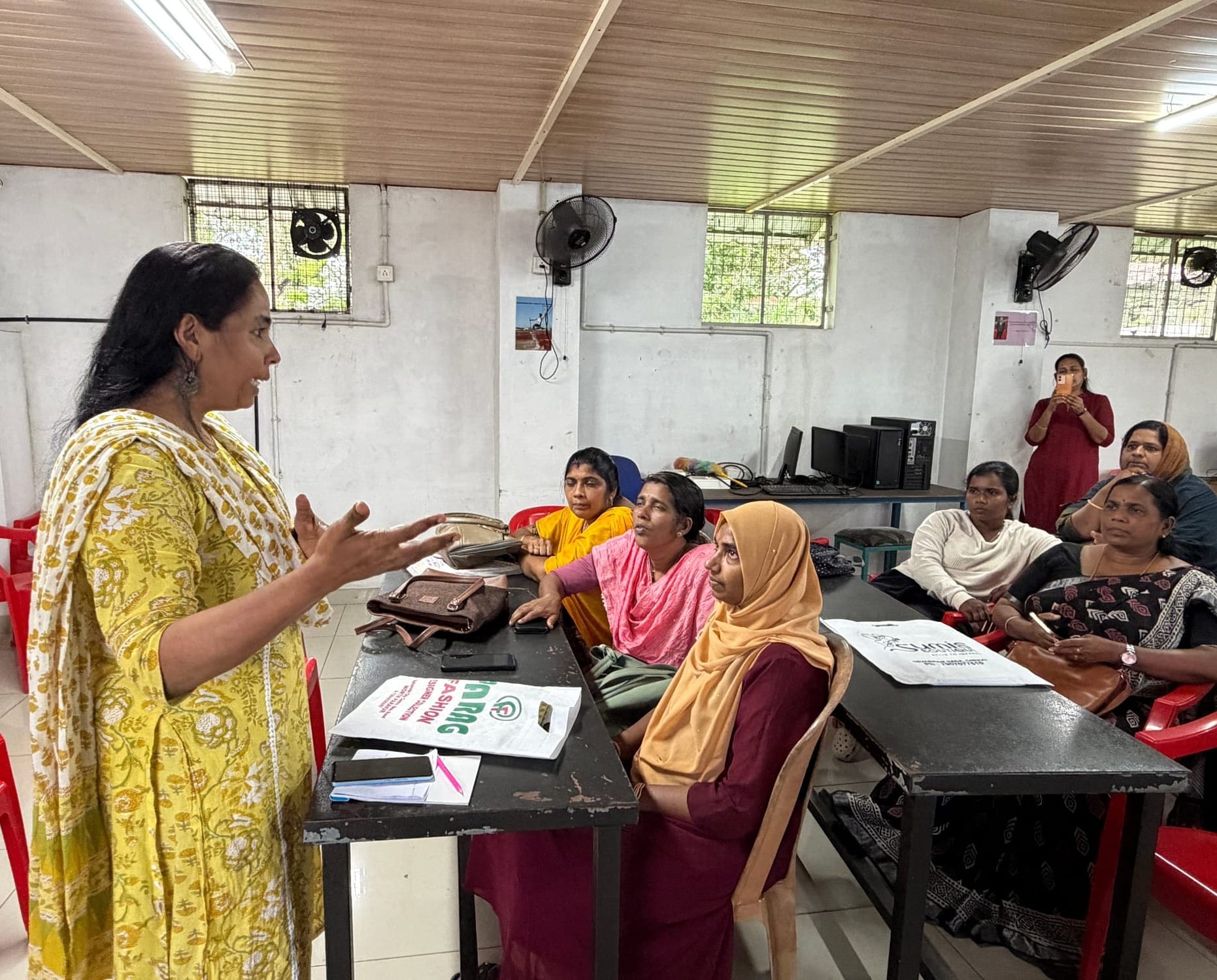
Dr. Sreeja K.G. talks about the silent climate crisis in Kerala that isn't grabbing headlines, the urgent need for community-based efforts & how government management systems must be rethought.
DR. SREEJA K.G.
- Agroeconomist and climate resilience expert
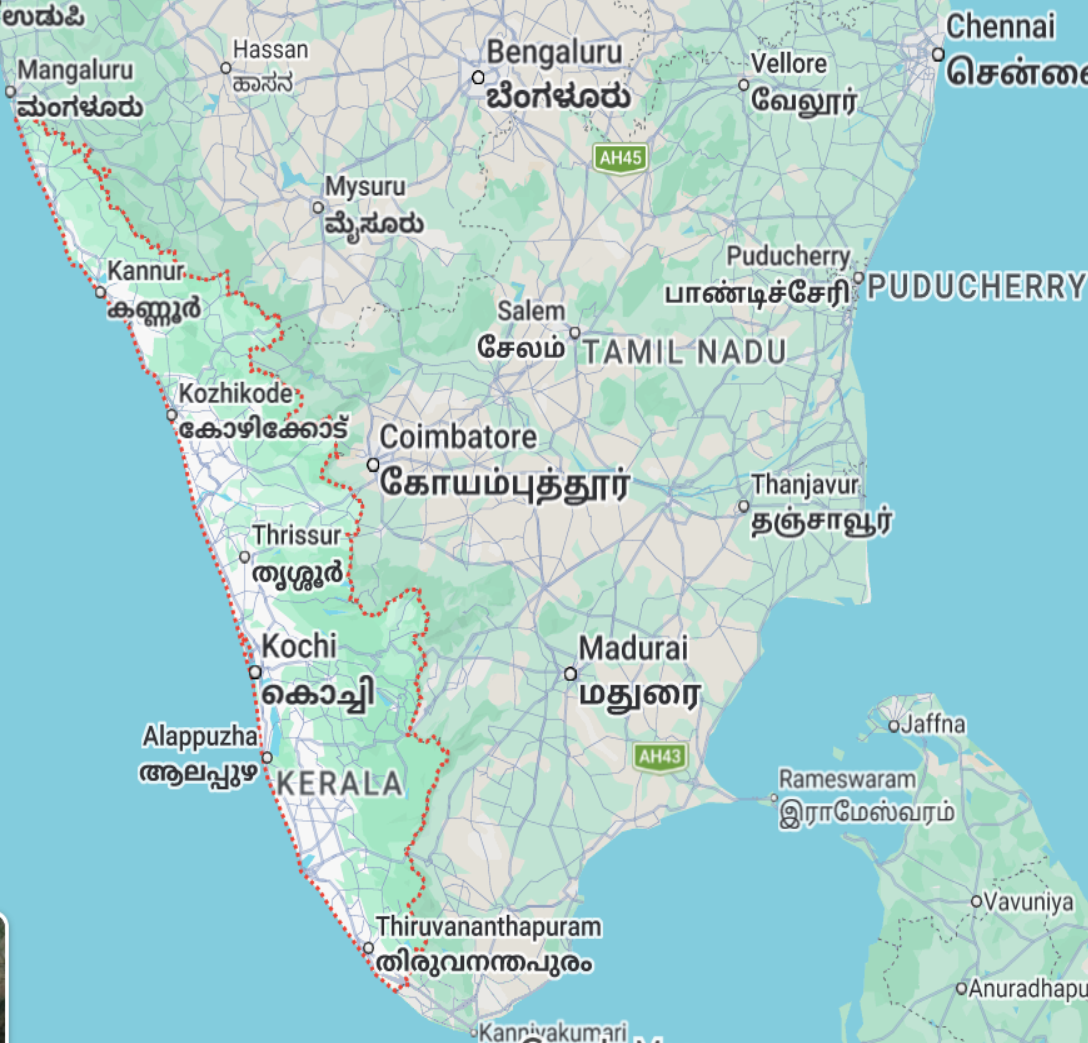
- Location: Kochi, in India's southern state of Kerala
- Research Director at Equinoct, community-sourced modeling solutions provider
- Director and Co-founder, Resilient Destinations Foundation
- Area of Focus: Community and livelihood-centered climate adaptation and resilience
In the summer of 2018, the monsoons arrived early to India’s tropical state of Kerala – but instead of fading away in several weeks or a couple of months, the rain continued.
These abnormally heavy summer rains, followed by an early and intense monsoon season that began in June, filled up many of Kerala’s dams much earlier than usual. By July, several reservoirs had reached full capacity and the rain showed no signs of stopping.
That was when Kerala native Dr. Sreeja K.G. and her husband Dr. Madhusoodhanan (a hydroclimatologist with expertise in river hydrology of the Western Ghats mountain range that crosses through Kerala ) understood that dangerous floods were about to hit Kerala. But when they contacted all the various district and state authorities, no one listened. So the couple quickly warned the tribal communities residing near the dams to move immediately to higher ground.
In mid-August 2018, the deluge hit – Kerala was struck by devastating floods and landslides, the worst in a century, eventually resulting in 433 people dead, 19,000 homes destroyed, 1.4 million people displaced and recovery costs of over USD 4.4 billion.
CLIMATE INCLUSIVE: What happened after your warnings about the inevitability of a flood disaster were not heeded?
DR. SREEJA KG: We feel so responsible because we had listed the action points. It wasn't a fear-mongering exercise that we did. We wrote to the authorities because we are so familiar with the area for the past 20 years. We had studied the river flow patterns. We know the communities who live there, from the mountains to the coast. So it's a personal thing for us. And we know all the political ins and outs of the city.
But nobody listened because, one, they are not used to getting outside advice. Second, they never function like that. That's when we realized that rather than break our heads with the government and try to make them listen to us which is a very energy-draining activity and not what we are trained in — why can't we build community systems? Because one, we have very sparse government monitoring systems. And second, your early warnings will work only when there is credibility.
We can use our training in science, and at the same time, do something to create a model of what is to be done, rather than try to influence policy. That's how the first community monitoring network began of rainfall, river water levels and groundwater levels to understand where and when floods happen. And actually, as the 2018 floods were happening, the community members started monitoring the water levels and the rainfall.
What do you consider to be the biggest challenges when addressing climate change?
DR. SREEJA KG: When it comes to climate change, there are two types of impacts. One is of course related to heat, which is very evident, predictable and easily mapped because the temperature has been rising in a steady manner. But rainfall changes are not so easily understood – it's a total lack of patterns that suddenly occurs. Summer rainfalls don't happen at the time that you're used to having them, and suddenly, during harvest season, you get rained on and with intensities you're not used to.
But the second impact of climate change is the impact on your management system. You have many years of certain management systems around your resources: dam management, river management based on the normal temperature and normal rainfall. These are normal rainfall management systems that somehow became very rigid, crystallized around normal patterns and how normal government functions react. And it's not easy for those places to realize things have changed. So some of the impacts of climate change are because of management systems that refuse to be agile. Even if you realize that there is an abnormal amount of rainfall, and your dam levels are full — still, as an institution, you cannot function. You are not used to making decisions in times of trouble.
Your work also focuses on the impacts of tidal flooding in low lying coastal regions of Kerala, a phenomenon which is getting worse with climate change. Twice a day, there is salt water flooding into people's homes and ruining crops by degrading soil quality. And it's more severe during the full moon and new moon. Can you tell us more about the challenges associated with this "silent crisis"?
DR. SREEJA KG: When you have salt inundation and it refuses to leave, it disturbs your agricultural patterns, but it doesn't really get talked about because it's not dramatic enough. It doesn’t steal lives – it inch by inch corrodes your infrastructure, spoils your agricultural safety and security.
When the poor get affected by climate change, it gets read as poverty for a long while. It gets understood as your personal culpability and nothing to do with the global shifts, especially if these are slow burn disasters – like tidal flooding. It's not water up to your neck, it's just ankle deep water. But you are living in ankle deep water for the entire year. That travesty is not something that can be easily communicated.
This silent crisis of tidal flooding isn’t talked about within India either. Sea surge and cyclones are mentioned when you talk about coastal impacts of climate change, but all across your coast, agriculture is getting impacted.
And people are getting relocated from coastal regions. There are temporary migrations happening. These are not people who can afford to leave at the drop of a hat, because their livelihoods are stitched together to the places where they live. But they are forced to leave.
There are also many saltwater inundation-related pregnancy complications. In these regions, when a woman is 5 months pregnant, she will rent a house on higher ground, and then return to her original home once the baby is about one year old. They cannot afford to do this as a permanent solution, because nobody is going to come and live in your place while you are gone.
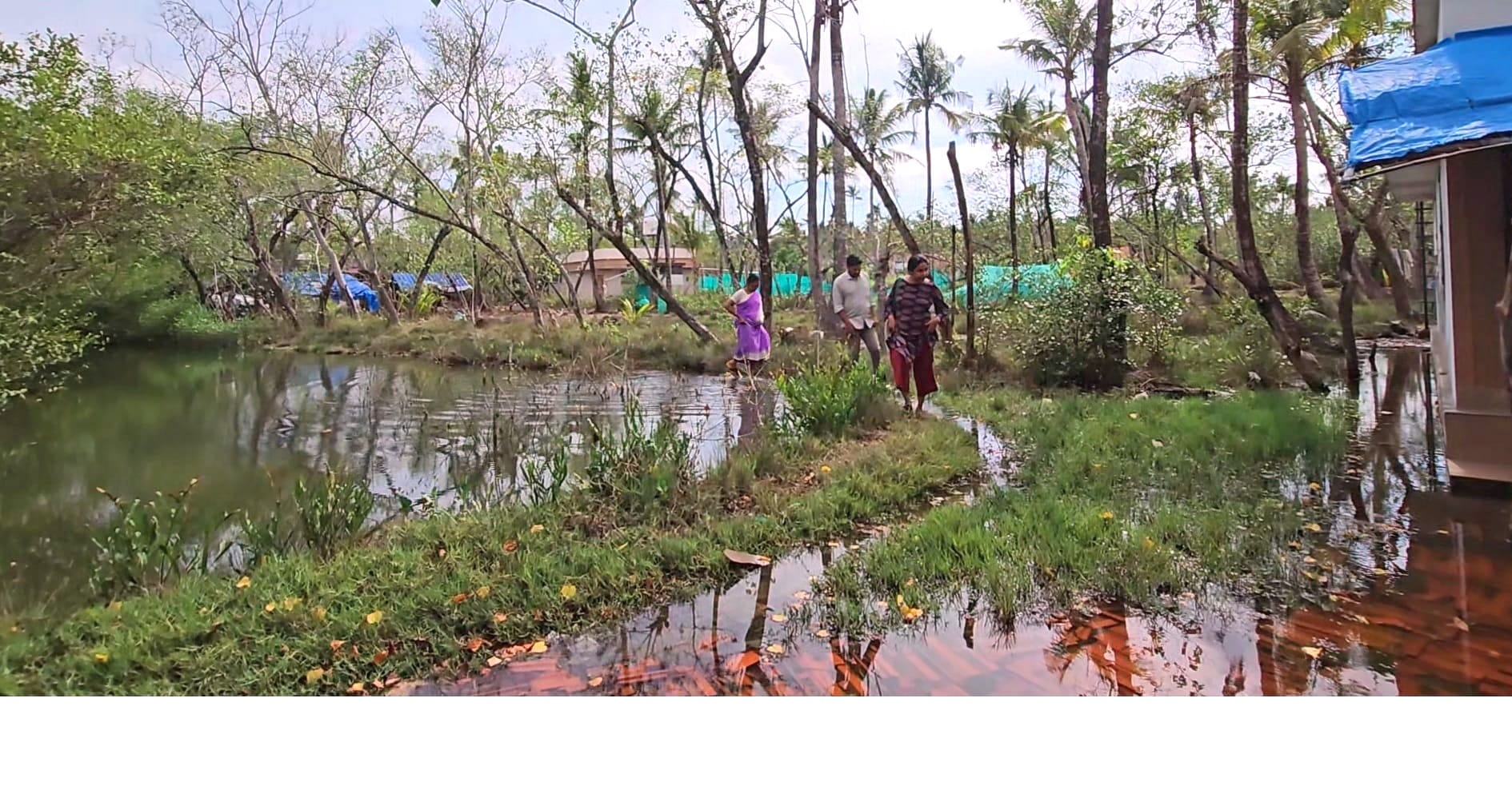
But finally, very recently, on January 30 of this year, the government of Kerala declared tidal flooding as a state specific disaster...
DR. SREEJA KG: I'm proud of saying that five years of our work has finally culminated in a government order. And it was due to this concerted effort where we brought in people's data to show that these changes are happening, that there are houses which are in salt water for 150 days a year, and it is affecting the structural security of the houses.
How did you work with the community to collect this data?
DR. SREEJA KG: We introduced a tool for documenting this: a very ordinary calendar which we supplied to 10,000 households and asked them to mark the days on which the sea enters your home, the time, the height to which tidal flooding happens – if you are so inclined, otherwise, just give us the days on which this happens. We retrieved the data back from them and did a first tidal map. I would say this is the first ever community-sourced mapping of tidal flooding anywhere.
People really want to be part of this climate change journey, be agents of change. They don't just want to be receivers of information. When something has happened, they become beneficiaries if they are lucky – or victims. In the old scheme of things, in the way governments work, that's all you are. All these are very passive roles. Suppose the data comes with the community's footprint. It's something that they also had a role in creating and collecting and monitoring – then the story changes.
And even though climate change is global, the impacts are very hyper-local, and it is only the people who reside in a location that have the most important and the most significant of climate intelligences. They possess it because they've lived in that area for a long time, it is a lived experience. So we are training the people in the communities to monitor information, data or changes in a way that is acceptable to the scientific way of doing things.
What kinds of community-led solutions do you envision? How does this work in practice?
DR. SREEJA KG: As a climate startup, we at Equinoct have been saying that we need to figure out: what are the ways in which coastal communities can continue to live in these places? The government policy here, the state’s Climate Action Plan, is all about relocation and retract when it comes to the coastal impacts of climate change. There is absolutely no thought-out policy on how do you adjust to sea level rise. There are studies showing that India and China are going to be the most impacted when it comes to local sea level rise. So it's very lazy or irresponsible to think that the only thing that you can do is move out. But where do you move to? In Kochi, the population density is something like 3,000 people per square kilometer, the highest population density in the entire state.
The systems are already here in place. You have these environments. You have a certain enterprise of system that is being built. How do you work with the people to understand the new heights to which these environments have to be taken?
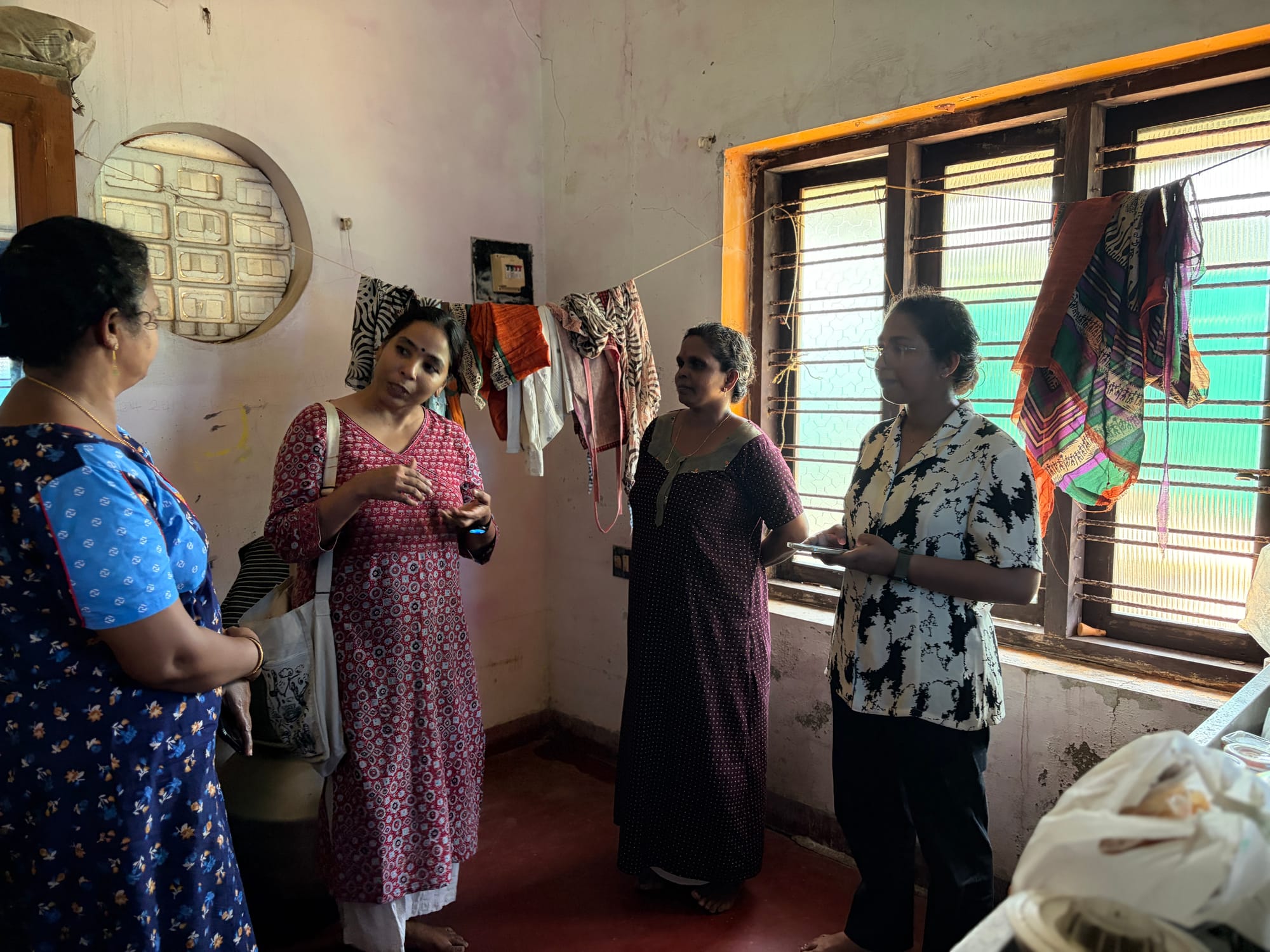
For example, how do you work with the people to understand how mangroves can be part of the solution? It’s not like you as a scientist sitting in the safety of your office or lab decide that mangroves are a nature-based solution, and then say 'lets plant mangroves,' as if you have any inkling of what a nature-based solution is. No, you work with the community, because the community knows what are the pros and the cons of having mangroves, which species to have, what are you inviting in? Because there are consequences.
So how do we rethink the current approach to climate adaptation?
DR. SREEJA KG: None of the past paradigms are going to work. We should build new systems, and for that, we really need to have community along with us. And it is a difficult exercise because community is not a homogeneous space. There are conflicts. You have 10 people, you have 11 opinions. But the job is upon you to build consensus, to bring them together, make them part of the decision-making and solution-building process.
The problem is so huge that it is the government which should be working on this. We can form protocols as to what the solutions can be – how you work with communities and how governments can be part of the solution. Basically, how do you model locally-led adaptation strategies?
Unless we are in this together, things are going to collapse. As long as it is event-based, like there is a flash flood, there is a landslide, or there is a heat wave incident, one can afford to kind of move from one incident to the other. But once you have these global things, chronic impacts that cross thresholds, then it may not be easy to devise community-based, democratic processes. At that time, the state will become all powerful – because it's a response to a disaster rather than preparation for change.
We now have an opportunity to envisage a different kind of management system where people are also collaborators. Until we are able to use that opportunity to its fullest, we will be compromising, and that compromise is going to cost us, because when it comes to climate change, we are just at the beginning of the journey.
This interview has been edited for clarity and length.